Tenacy's history, vision, and mission
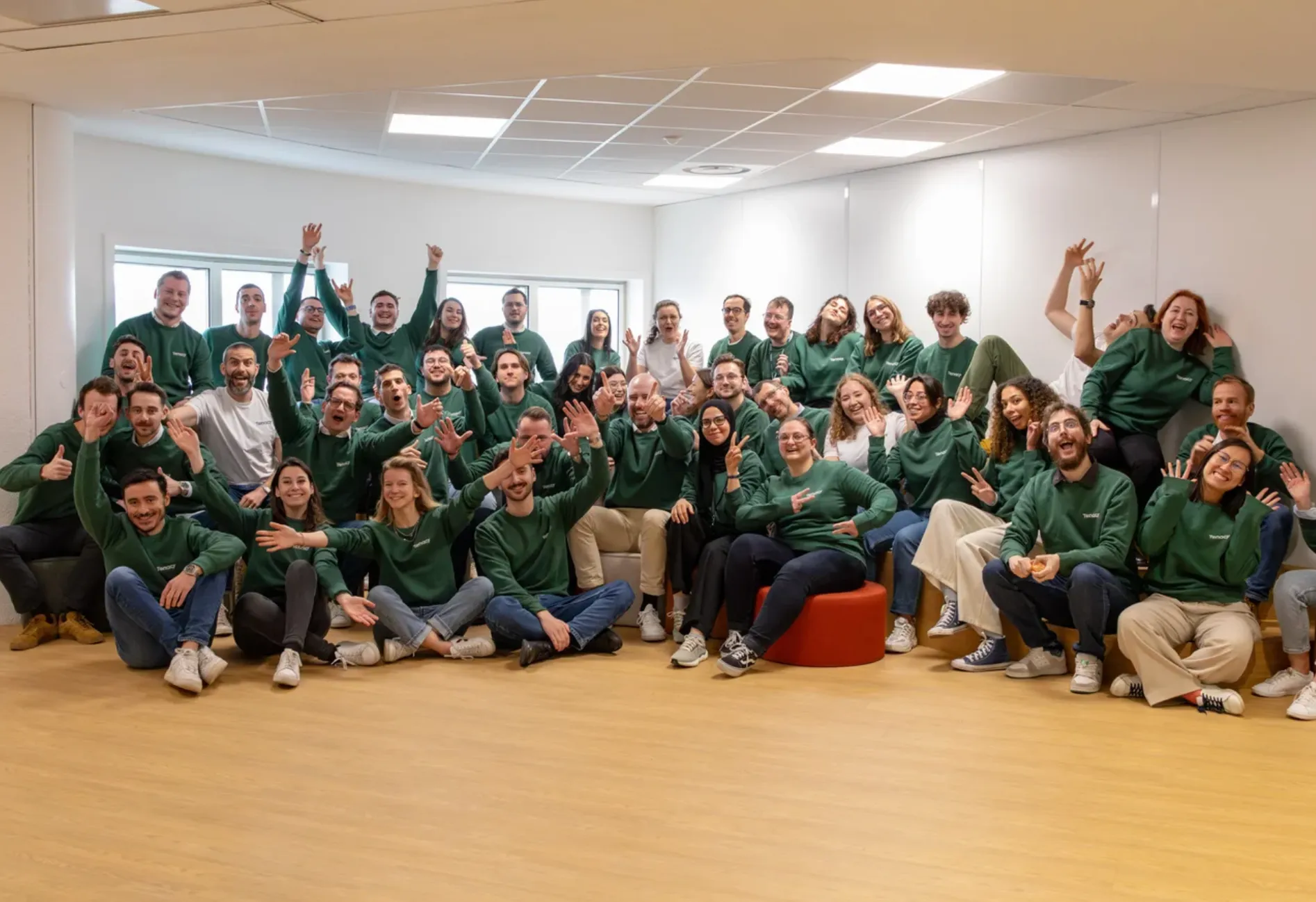
Tenacy in figures
Key dates and figures in the history of Tenacy
2019
Creation of Tenacy
2021
First customer
2023
Fundraising €2.7 million
,500 customers
2024
Fundraising €6.4 million
,140 customers
2025
200+ clients
(Thales, Michelin, Boiron, Vinci, Bouygues, Tessi, etc.)
3,000+ active users
Deployed in 32 countries
+55 employees
Our mission

We created Tenacy because we see the reality of security professionals every day:
That's why we designed Tenacy:
Streamline and automate cybersecurity management.
Centralize management in a single source of truth.
Eliminate repetitive tasks.
Freeing up time for strategy.
Our vision
The project is based on a cybersecurity management approach, enabling:
This vision is embodied in a SaaS platform, designed to provide a pragmatic and scalable solution:
.webp)
Our values
Combativeness
Liability
Humility
Share
What drives the Tenacy teams
Improving the daily lives of security teams
That's our mantra. It guides our product roadmap, our customer service, and all our projects. To provide security teams with a peaceful working environment.
.webp)
Promoting the sharing of expertise
We believe in synergies and sharing expertise. That's why we are developing a GRC Cyber content platform for the entire community.

Service excellence at the heart
We listen carefully at every stage of the customer journey. This allows us to improve and offer personalized approaches.

And why "Tenacy"?
Tenacy is a combination of (Tena)city and (cy)bersecurity. While the latter is self-explanatory, the former refers to a remarkable character trait shared by cybersecurity teams and our company.
Tenacious in the face of all challenges, just like our customers, we never give up and demonstrate our fighting spirit over the long term.
Want to join the adventure?
You may be interested in
.png)
Developing a cybersecurity roadmap is one thing. Maintaining it over the long term, defending it before the Executive Committee, and proving that it actually reduces risk is another. This article provides a practical method for structuring your roadmap, managing it based on all its metrics, and presenting the right figures to the right audiences.
.png)
In this article, we take a look at the five major points of friction that undermine the relationship between the CIO and the CISO. And, most importantly, we offer concrete steps to finally overcome them!